


Understanding the Honda CR-V e:FCEV: Batteries, Motors, and Regeneration
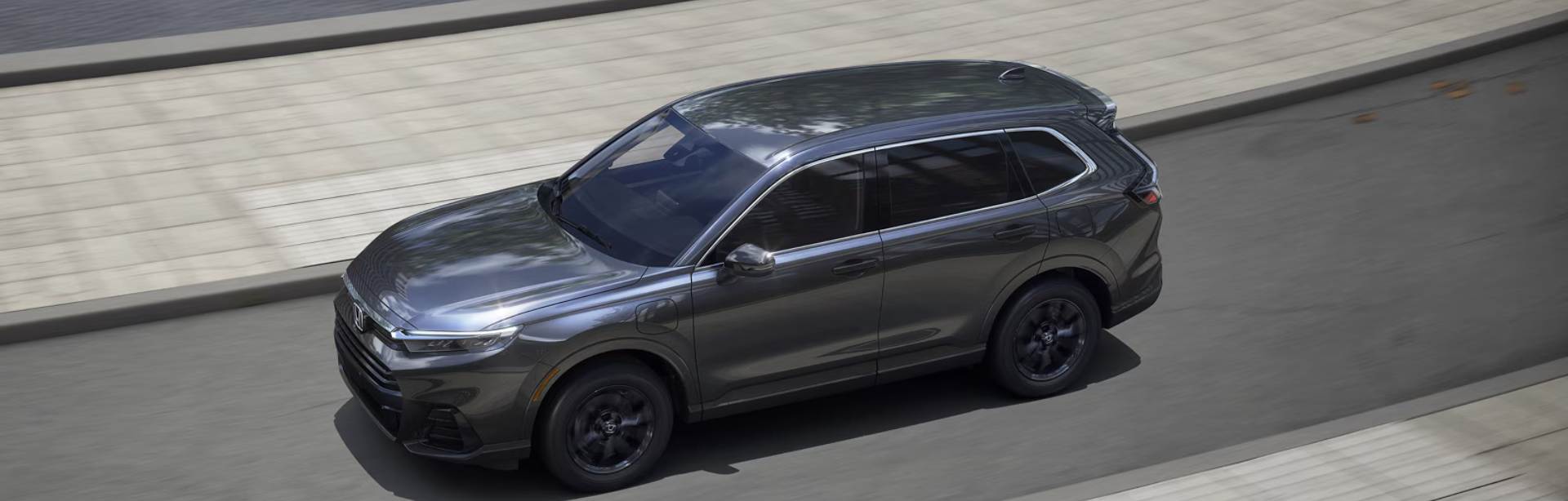
As electric vehicles (EVs) gain traction on the streets of Chicago and its vibrant neighborhoods, many local drivers are eager to understand how they work. At Victory Honda Chicago Northside, we leverage our local expertise to break down the technology behind Honda’s EV offerings, like the CR-V e:FCEV, in a way that’s easy to grasp. In this guide, we’ll explore essential elements such as batteries, motors, and regenerative braking without the technical jargon, so you can feel confident navigating your electric driving experience here in the Windy City.
How Does a Honda EV Battery Power Your Drive?
The battery is the backbone of any Honda electric vehicle, acting as its energy source. Imagine it as a fuel tank, but instead of holding gasoline, it stores electrical energy to power your drive.
This high-voltage lithium-ion battery pack is strategically placed under the vehicle’s floor. This design not only lowers the center of gravity, enhancing stability and handling, but it also benefits drivers navigating hilly or curvy roads in areas like Highland Park or along Lake Shore Drive. When you accelerate, the battery delivers direct current (DC) electricity to the motor, providing instant and smooth power that makes driving enjoyable.
Charging your Honda EV is straightforward-simply plug it into a home charger overnight or utilize public fast-charging stations scattered throughout Chicago, Evanston, and nearby neighborhoods. This accessibility means you can conveniently recharge while running errands or enjoying a day out. Here are some key advantages for local drivers:
- Low Center of Gravity: Enhances stability, especially on winding roads and during sudden turns.
- Stable Handling: Offers a smooth driving experience, crucial for navigating busy urban areas or suburban hills.
- Easy Charging Options: Access to home and public charging makes it simple to keep your battery full.
- Environmental Benefits: Reduced emissions contribute to cleaner air in our local communities.
- Cost Efficiency: Lower energy costs compared to traditional fuel, especially for city commuting.
- Quick Acceleration: Immediate power delivery means faster response times on busy streets.
For more detailed information about vehicle batteries and their performance, you can check out resources like Kelley Blue Book.
What Role Does the Electric Motor Play in a Honda EV?
The electric motor in a Honda EV converts electrical energy from the battery into the motion that propels the vehicle. This process is straightforward, making the motor not only efficient but also built for long-lasting performance, which is essential for daily driving in busy areas like Chicago and Evanston.
When you press the accelerator, the inverter takes the battery’s direct current (DC) and transforms it into alternating current (AC) that the motor can utilize. This AC power generates a rotating magnetic field within the motor, prompting the rotor to spin and ultimately turning the wheels. What does this mean for you? It means you experience instant torque-immediate power that makes merging onto the Kennedy Expressway or accelerating through city traffic on Halsted Street smooth and effortless.
Whether you’re navigating through the streets of Skokie or cruising along Lake Shore Drive, the quiet operation of the electric motor enhances your drive, providing a peaceful atmosphere. With its simple design and efficiency, you can trust that your Honda EV is not just a short-term solution, but a durable choice for years of reliable performance.
How Regenerative Braking Extends Your Range
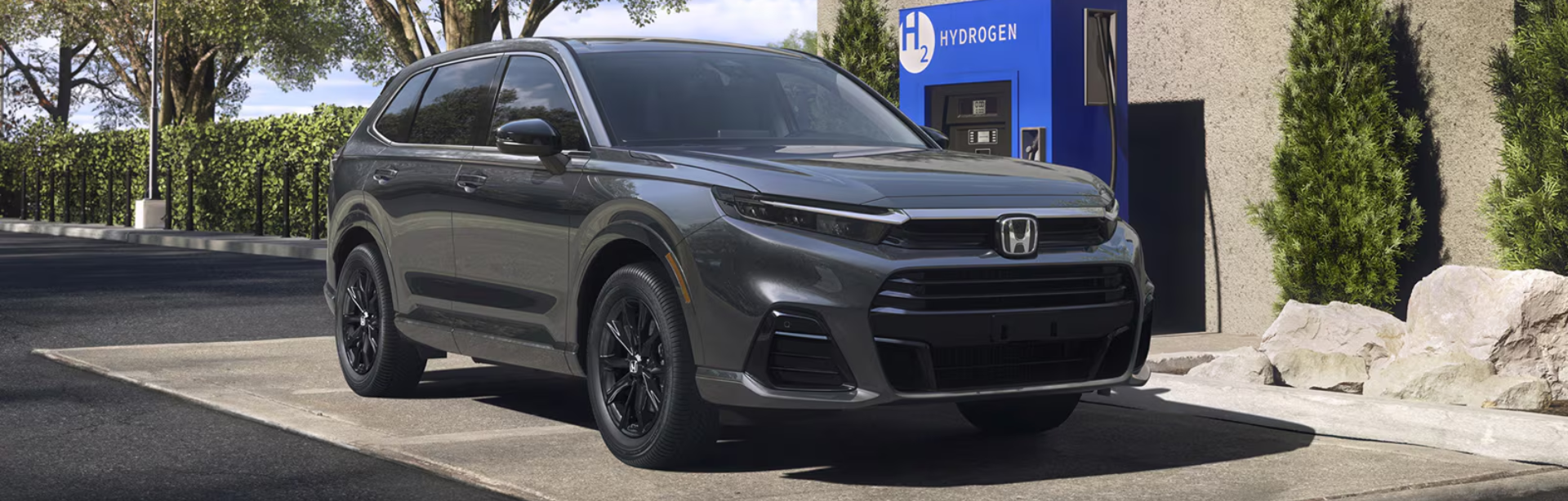
Regenerative braking is an innovative technology in your Honda EV that helps recover energy during braking, effectively extending your driving range. For drivers in the Chicago area, this technology is particularly beneficial on routes with frequent stops, such as along the Kennedy Expressway or in the busy streets of Lincoln Square.
Here’s how it works: when you lift your foot off the accelerator or press the brake pedal, the electric motor reverses its role. Instead of consuming electricity to turn the wheels, the momentum from the wheels turns the motor, which then functions as a generator. This process generates electricity that gets sent back to the battery, providing a boost to your charge. In hilly regions or during stop-and-go traffic-common in neighborhoods like Skokie and Des Plaines-this system helps recapture energy that would otherwise be lost.
- Stronger slowdown feel: You’ll notice a more pronounced deceleration when you ease off the accelerator.
- Range gains: The energy recovered can add significant distance to your drive, especially on commutes from Highland Park to downtown Chicago.
- Reduced brake wear: This technology decreases reliance on traditional braking, extending the life of your brake pads.
For Chicagoans, the benefits of regenerative braking are clear: it not only adds range to your trips but also lessens wear on your brakes, making your driving experience more efficient and cost-effective. As you navigate the city’s bustling streets or tackle the hilly terrains, this feature exemplifies Honda’s commitment to practical innovation, as discussed by automotive resources at Edmunds.
What Affects a Honda EV’s Battery Range and Performance?
Understanding the factors that influence your Honda EV’s battery range and performance can help you make informed decisions to maximize efficiency. For Chicago drivers, this means optimizing performance on busy streets and adapting to seasonal changes.
Driving Style: Your driving habits can significantly impact battery life. Aggressive acceleration and high speeds, often encountered on the Kennedy Expressway during rush hour, consume more energy. In contrast, smooth, steady driving along Lake Shore Drive can help extend your range.
Terrain: The flat urban landscape of Chicago and its surrounding areas, like Evanston and Skokie, is generally easy on your EV. However, if you venture towards hilly parts of the suburbs, remember that climbing hills requires more energy, while descending allows for regenerative braking to recover some of that energy.
Temperature: Chicago’s weather presents unique challenges. The frigid winters can temporarily reduce your EV’s range, as batteries perform less efficiently in extreme cold. Using pre-conditioning while your vehicle is still plugged in can help maintain optimal performance even on the coldest days.
Cabin Comfort: Utilizing the heater or air conditioning draws power from your battery. Fortunately, modern Honda EVs are equipped with efficient climate control systems that minimize this impact, allowing you to stay comfortable without drastically affecting range.
How Do You Maintain a Honda EV?
Maintaining a Honda electric vehicle is typically easier and more cost-effective than caring for a gasoline-powered car, especially for drivers navigating the busy streets of Chicago. With fewer moving parts, there’s less to worry about.
One of the biggest advantages is the elimination of oil changes, which means you can focus on essential maintenance tasks instead. Key items to keep in mind include brake inspections, tire rotations, fluid and coolant checks, and general EV system diagnostics. For instance, regular brake inspections are crucial, especially if you frequently drive down slopes in areas like Lincoln Park or experience stop-and-go traffic on the Kennedy Expressway. The battery and motor in your Honda EV are built for longevity, requiring minimal maintenance over time. Interested in more details? The official U.S. Department of Energy provides valuable insights on maintenance schedules. Plus, you can trust certified technicians at our dealership to assist with any specific needs, and you can always refer to Consumer Reports for information on long-term durability.
Frequently Asked Questions (FAQs)
What should I do if I experience delays in service?
Victory Honda Chicago Northside’s team is dedicated to keeping you informed throughout the service process. If delays occur, they’ll communicate updates promptly and work to resolve any issues efficiently.
How can I provide feedback about my service experience?
You can share your feedback directly with the staff at Victory Honda Chicago Northside. They value customer insights and will listen attentively to ensure your experience is addressed and improved.
What should I expect regarding pricing when shopping for a hybrid vehicle?
Victory Honda Chicago Northside ensures transparent pricing without hidden fees, allowing you to clearly understand the costs associated with hybrid vehicles. Their team will walk you through all aspects of the pricing structure.
Are there any hidden fees when purchasing a vehicle at Victory Honda Chicago Northside?
No, Victory Honda Chicago Northside is committed to transparency in all transactions, ensuring you won’t encounter any unexpected fees during your vehicle purchase.
What community involvement does Victory Honda Chicago Northside have?
Victory Honda Chicago Northside has been serving the community for over 50 years, focusing on building lasting relationships through quality service and community engagement.
How does Victory Honda Chicago Northside ensure customer satisfaction?
The dealership is dedicated to providing an exceptional customer experience by addressing needs and concerns, which fosters a welcoming and trustworthy environment.
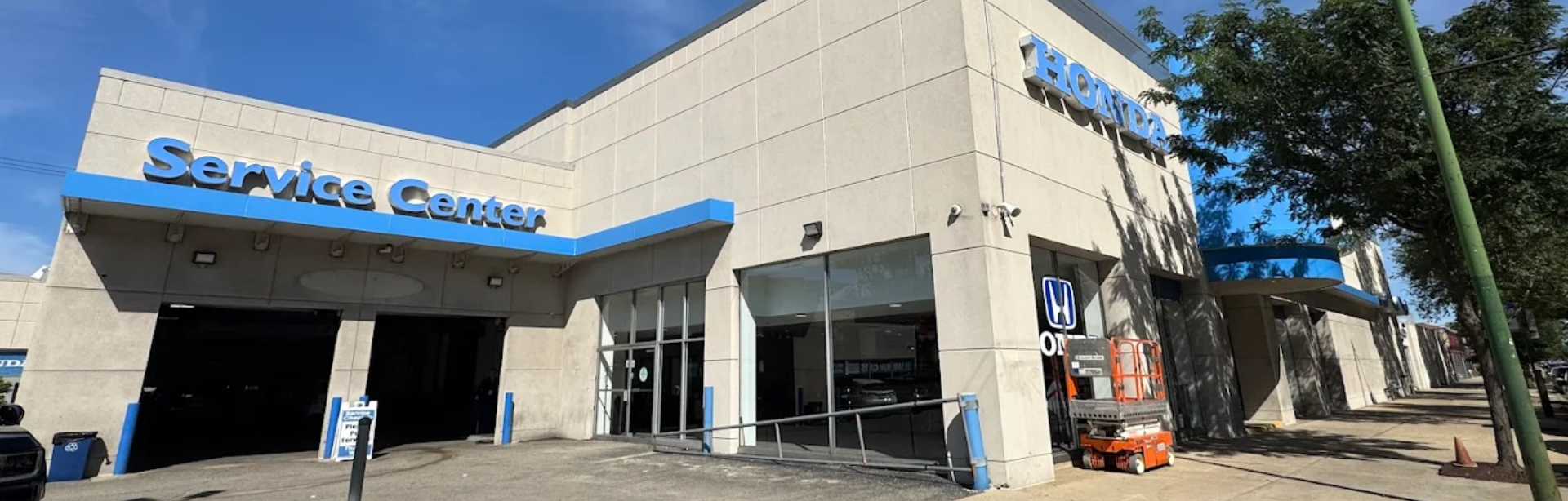
About Victory Honda Chicago Northside
Victory Honda of Chicago Northside has been proudly serving the community for over 50 years, committed to providing an exceptional customer experience. Our dealership is dedicated to being a trusted partner for all your automotive needs, from sales to expert service. We strive to build lasting relationships with our customers in Chicago, Evanston, and beyond by delivering quality, transparency, and integrity in everything we do.
Related Articles:
A Chicago Driver’s Guide to Choosing the Right Honda Dealership