


Honda Ridgeline Towing and Payload Details for Boats, Trailers, and Equipment
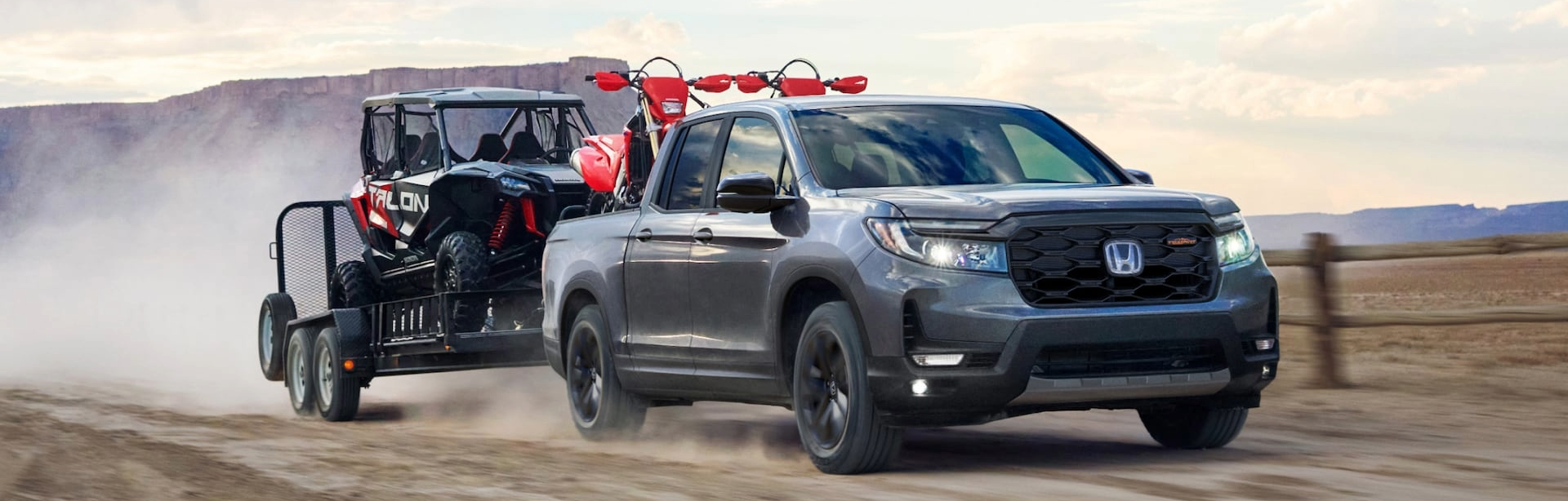
For drivers in Chicago and nearby towns like Evanston, Skokie, and Des Plaines, having a vehicle that meets both daily needs and weekend adventures is essential. This guide will delve into the towing capacity and payload practicality of the Honda Ridgeline, offering insights that resonate with local driving experiences-from navigating busy streets to hauling equipment for your next project. At Victory Honda Chicago Northside, we recognize the unique demands of city life and how the Ridgeline can serve you, whether you’re transporting gear for a Lake Michigan outing or running errands through the bustling neighborhoods of Lincolnwood and Highland Park.
What is the towing capability of the 2026 Honda Ridgeline?
The 2026 Honda Ridgeline showcases impressive towing capability that varies based on trim and configuration. For Chicago drivers, this means selecting the right version for tasks like hauling utility trailers or navigating hilly routes. Each trim, such as the Sport or TrailSport, offers a towing capacity that supports various local needs, ensuring you can confidently manage heavier loads on highways or city streets. For the most current towing specifications, check the official Honda website.
Equally crucial is the powertrain that powers this towing ability. The Ridgeline’s robust V6 engine delivers steady pulling power, making highway merging and hill climbs manageable even when loaded. Whether it’s keeping a consistent speed on incline grades or providing stability during sudden stops, the Ridgeline is engineered with real-world towing scenarios in mind. Explore more about its performance and capabilities with insights from Edmunds.
| Horsepower | 280 hp @ 6,000 rpm | 280 hp @ 6000 rpm | 280 hp @ 6,000 rpm | 280 hp @ 6,000 rpm | 280 hp @ 6,000 rpm |
|---|---|---|---|---|---|
| Maximum Towing Capacity | 5,000 lbs | 5,000 lbs | 5,000 lbs | 5,000 lbs | 5,000 lbs |
| Engine | 3.5L V6 | 3.5L V6 | 3.5L V6 | 3.5L 24-Valve SOHC i-VTEC V6 with Variable Cylinder Management (VCM) | 3.5L V6 Gasoline SOHC i-VTEC 24-Valve with Variable Cylinder Management (VCM) |
| Torque | 262 lb-ft @ 4,700 rpm | 262 lb-ft @ 4700 rpm | 262 lb-ft @ 4,700 rpm | 262 lb-ft @ 4,700 rpm | 262 lb-ft @ 4,700 rpm |
Payload Capacity and Hauling Capability with the Latest Ridgeline
Payload capacity refers to the weight the Honda Ridgeline can carry in or on the truck, distinct from its towing capabilities. Understanding this capacity is crucial for efficiently managing heavy loads, especially when dealing with jobsite materials or oversized items that may challenge the vehicle’s limits. For drivers navigating Chicago’s busy streets, this knowledge can translate into fewer trips and safer hauling.
Why does payload capacity matter when carrying heavy cargo?
In urban environments like Chicago, where road conditions can vary significantly, knowing the payload limit helps maintain vehicle stability and control. Exceeding this limit can lead to handling issues, making it vital to plan loads wisely.
- Jobsite materials: Items like lumber, concrete, and tools can accumulate weight rapidly, necessitating careful load planning to stay within safe limits.
- Oversized cargo: While large items might fit in the bed, their weight could surpass the payload capacity, affecting handling and safety.
- Loose or dirty materials: Loads like soil or gravel can become heavier when wet, highlighting the importance of accurate weight assessment.
- Load control: Adhering to the payload limit ensures the Ridgeline maintains predictable performance during braking and maneuvering, particularly on uneven city roads.
| Horsepower | 280 hp @ 6,000 rpm | 280 hp @ 6000 rpm | 280 hp @ 6,000 rpm | 280 hp @ 6,000 rpm | 280 hp @ 6,000 rpm |
|---|---|---|---|---|---|
| Payload | 1583 | 1544 | 1521 | 1521 | 1509 |
| Engine | 3.5L V6 | 3.5L V6 | 3.5L V6 | 3.5L 24-Valve SOHC i-VTEC V6 with Variable Cylinder Management (VCM) | 3.5L V6 Gasoline SOHC i-VTEC 24-Valve with Variable Cylinder Management (VCM) |
| Torque | 262 lb-ft @ 4,700 rpm | 262 lb-ft @ 4700 rpm | 262 lb-ft @ 4,700 rpm | 262 lb-ft @ 4,700 rpm | 262 lb-ft @ 4,700 rpm |
What features make towing with the Ridgeline easier?
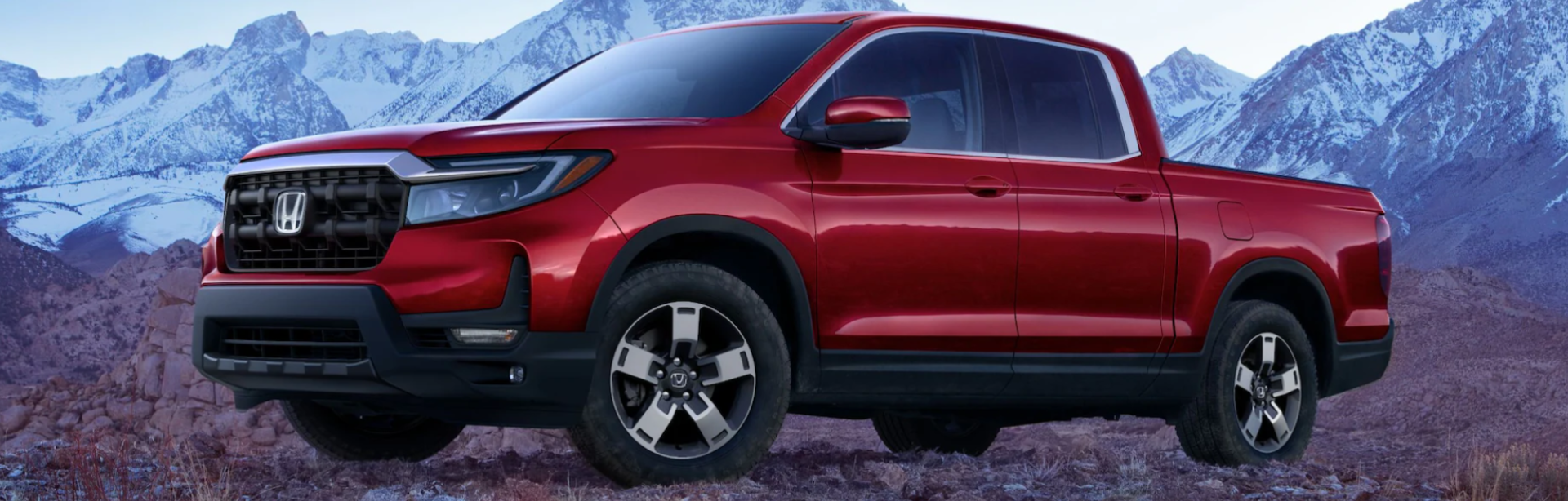
The Ridgeline offers several towing features designed to tackle specific challenges, such as maintaining trailer stability, enhancing visibility, and managing braking effectively. For Chicago drivers, these features are particularly beneficial when navigating busy streets or uneven surfaces, where precise control is vital for safe towing.
- Trailer control features: These features help manage unwanted trailer movement caused by gusty winds or uneven pavement typical on Chicago’s roads. Drivers will notice a more stable towing experience, especially when merging onto the bustling Kennedy Expressway.
- Visibility features: Equipped with advanced camera views and tools for rear visibility, the Ridgeline makes it easier to align with a trailer and back into tight spaces, like those found in residential neighborhoods such as Lincoln Square. This clarity reduces the risk of accidents when maneuvering in crowded areas.
- Braking and stability support: The Ridgeline’s systems enhance braking response when carrying additional trailer weight, improving control during sudden stops. This is particularly useful on wet roads after a rainstorm, common in Chicago, where stopping distance can change unexpectedly.
- Drive modes and towing settings: These settings adjust the vehicle’s response to accommodate heavier loads and challenging grades, like those found in the hilly parts of the suburbs. This means drivers can confidently tackle longer trips without worrying about performance dips.
Shoppers should confirm which towing-support features are included on the exact configuration they are considering. For broader model research, Kelley Blue Book can be a useful resource.
How does the Ridgeline compare to other trucks for daily driving?
The Honda Ridgeline is designed to seamlessly transition between daily commuting and weekend projects, making it an excellent choice for drivers in Chicago, Evanston, and surrounding areas. Its thoughtful features contribute to a comfortable ride, which is crucial for those who navigate both city traffic and suburban routes. For example, the Ridgeline’s spacious cabin and user-friendly layout enhance comfort during commutes along busy streets like Michigan Avenue and during longer drives through neighborhoods like Highland Park.
Here are some key factors to consider when evaluating the Ridgeline for daily driving:
- Cabin Comfort: With ample legroom and supportive seating, the interior is designed for long hours on the road, ensuring you stay refreshed whether you’re navigating the Kennedy Expressway or heading to the Loop.
- Storage Solutions: The Ridgeline offers innovative storage options, including under-bed compartments, which are perfect for organizing everyday items without cluttering the cabin.
- Ride Quality: Its smooth suspension helps absorb bumps, making it easier to handle the pothole-riddled streets of Chicago after winter weather.
- Maneuverability: Compact dimensions allow for easier navigation in tight urban spaces, like those found in Lincoln Square and Old Town.
- Quiet Cabin: Sound insulation reduces road noise, providing a peaceful environment for daily drives, enhancing your experience on bustling streets.
What this means for Chicago drivers is that the Ridgeline combines practicality with comfort, making it suitable for both work and daily errands. Whether you’re commuting through traffic or parking in busy neighborhoods, the Ridgeline’s thoughtful design offers a reliable and enjoyable driving experience. For more insights into vehicle performance and ownership experiences, check out Consumer Reports.
Frequently Asked Questions (FAQs)
How does frequent towing affect maintenance needs?
Frequent towing can increase the wear on critical components such as the engine, transmission, and brakes. It’s essential to adhere to the maintenance guidelines in the owner’s manual, particularly if towing is a regular activity.
Should tire pressure be checked before towing or hauling?
Yes, verifying tire pressure is crucial before towing since incorrect inflation can lead to reduced handling, increased wear, and a greater risk of tire failure. Always refer to the manufacturer’s specifications for the correct pressure.
Can towing affect warranty coverage?
Towing within the vehicle’s specified limits generally does not void the warranty; however, damage resulting from overload or misuse may not be covered. Keeping detailed service records and following the manufacturer’s guidelines is advisable.
What should drivers know about trailer laws before towing?
Trailer regulations can differ by state and may include requirements for lights, brakes, and safety equipment. It’s important to familiarize oneself with local laws before engaging in towing activities.
What is the history of Victory Honda Chicago Northside?
Victory Honda Chicago Northside has been serving the community for over 50 years, focusing on delivering an exceptional customer experience in automotive sales and service.
What commitment does Victory Honda Chicago Northside have towards the community?
Victory Honda Chicago Northside is dedicated to being a trusted partner for all automotive needs, striving to build lasting relationships through quality service and integrity in all dealings.
About Victory Honda Chicago Northside
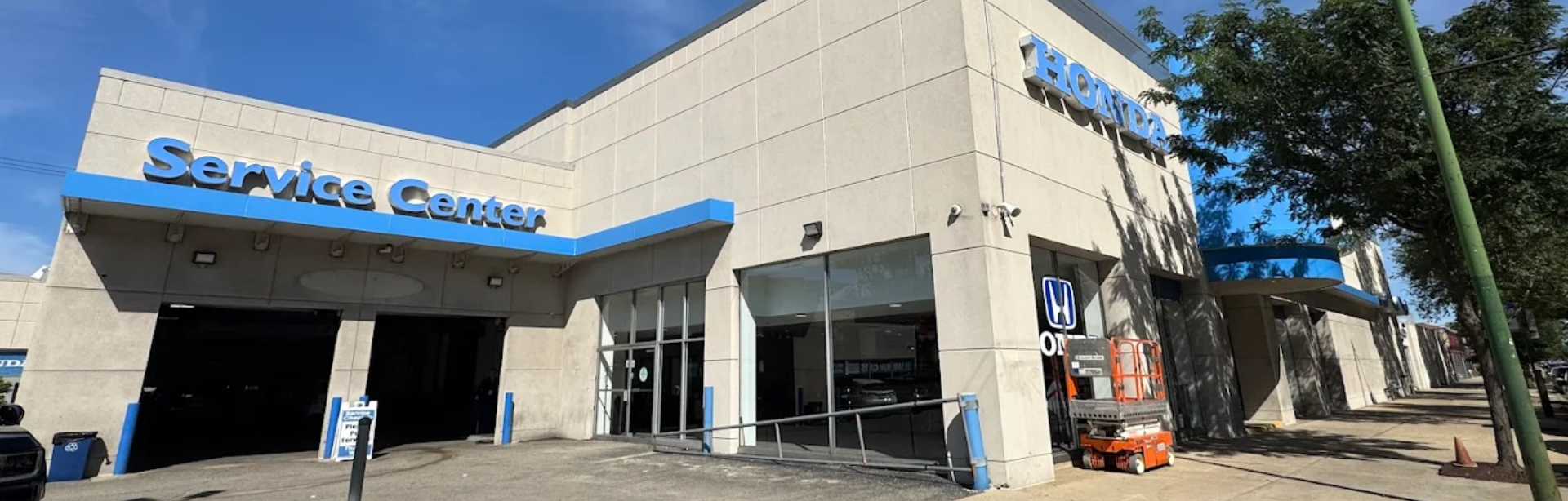
Victory Honda of Chicago Northside has been proudly serving the community for over 50 years, committed to providing an exceptional customer experience. Our dealership is dedicated to being a trusted partner for all your automotive needs, from sales to expert service. We strive to build lasting relationships with our customers in Chicago, Evanston, and beyond by delivering quality, transparency, and integrity in everything we do.
Related Articles:
A Chicago Driver’s Guide to Choosing the Right Honda Dealership